
Elevating Women’s Health in Detroit: How Southeast Michigan’s Leading Providers Are Advancing Imaging, Prenatal Care, and Diagnostic Innovation
The Detroit metropolitan region has long been recognized as one of the Midwest’s most dynamic healthcare markets. Across Southeast Michigan, leading health systems, specialty women’s health practices, and academic medical centers are working collaboratively to elevate standards of care in obstetrics, gynecology, maternal-fetal medicine, reproductive endocrinology, and breast imaging.
At the center of this progress is a growing commitment to advanced diagnostic imaging, particularly high-resolution ultrasound technologies that enable earlier detection, improved prenatal monitoring, and more coordinated multidisciplinary care for women throughout every stage of life.
From nationally recognized hospital systems to specialized outpatient practices, Detroit’s women’s healthcare providers are combining clinical expertise with innovative imaging infrastructure to deliver accessible, patient-centered care across the region.
A Regional Healthcare Hub for Women’s Health
Southeast Michigan’s healthcare ecosystem is anchored by several large integrated systems that provide comprehensive women’s services across hospital campuses, outpatient clinics, and specialty centers.
Among the most prominent is Henry Ford Health, a nationally recognized academic health system with a long-standing commitment to women’s and maternal health. Henry Ford Hospital in Detroit serves as a major referral center for high-risk obstetrics and maternal-fetal medicine, supported by advanced imaging capabilities and multidisciplinary care teams. The system continues to expand its women’s health footprint throughout the metro area, bringing specialized prenatal diagnostics and gynecologic care closer to community settings.
Another cornerstone of the region’s healthcare landscape is Corewell Health, formed through the integration of Beaumont Health and Spectrum Health. In Southeast Michigan, the former Beaumont hospitals—including Royal Oak, Troy, and Grosse Pointe—have historically been leaders in women’s services, offering comprehensive obstetrics programs, fetal diagnostic centers, and advanced breast imaging facilities. Today, Corewell Health continues to invest in imaging infrastructure and integrated care pathways that support women’s health across the full continuum of care.
Trinity Health Michigan also plays a critical role in regional women’s healthcare delivery. Facilities such as Trinity Health Ann Arbor Hospital and Trinity Health Livonia provide robust obstetrics programs, maternal-fetal medicine services, and diagnostic imaging capabilities that support both routine and high-risk pregnancies. The system’s network of outpatient centers further enhances accessibility for patients across the metro Detroit area.
An additional key contributor includes the Detroit Medical Center, both of which operate hospitals and specialty centers offering advanced obstetrics, gynecology, and breast health services throughout Southeast Michigan.
Together, these systems form the backbone of the Detroit region’s women’s health infrastructure, supporting thousands of births annually while advancing clinical innovation in prenatal diagnostics and imaging.
Maternal-Fetal Medicine and High-Risk Pregnancy Care
One of the defining strengths of the Detroit metro healthcare market is its depth of expertise in maternal-fetal medicine (MFM). With large tertiary hospitals and academic medical centers serving the region, patients with high-risk pregnancies have access to sophisticated diagnostic tools and highly specialized care teams.
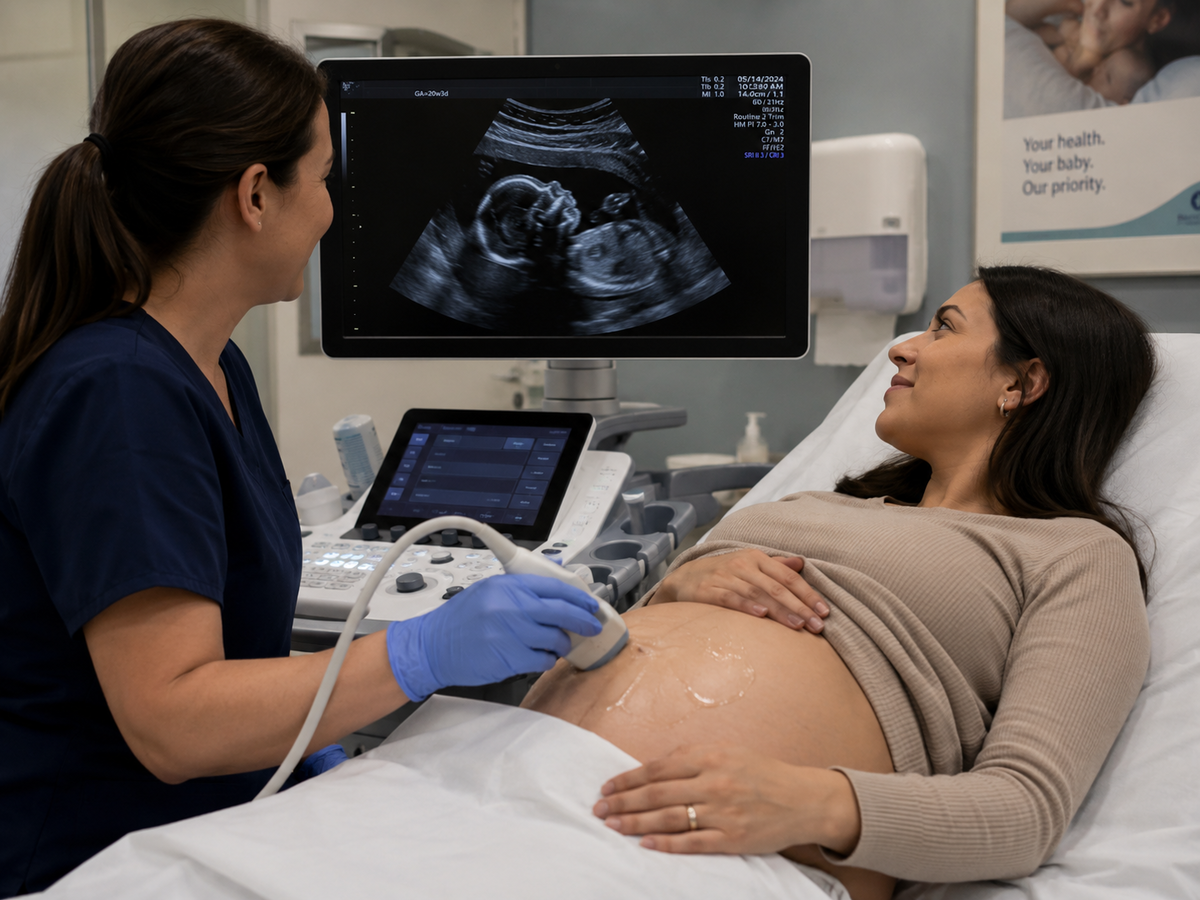
Maternal-fetal medicine specialists rely heavily on advanced ultrasound technologies to evaluate fetal development, monitor maternal health conditions, and guide treatment decisions throughout pregnancy. High-resolution imaging platforms enable clinicians to perform detailed anatomical assessments, Doppler studies, and real-time monitoring that support early identification of potential complications.
Institutions such as Henry Ford Health and Corewell Health have established comprehensive fetal diagnostic programs that integrate imaging, genetic counseling, and multidisciplinary consultation. These programs allow obstetricians, perinatologists, pediatric specialists, and radiologists to collaborate closely when managing complex pregnancies.
In addition to hospital-based programs, specialized maternal-fetal medicine practices throughout Southeast Michigan provide outpatient imaging services that support referring obstetricians and community providers. This distributed care model helps ensure that patients across the region can access advanced prenatal diagnostics without needing to travel long distances.
Strength in Independent OB/GYN and Specialty Women’s Practices
Beyond the major health systems, Detroit’s women’s healthcare landscape is also shaped by a robust network of independent OB/GYN groups and specialty women’s health practices.
These physician-led organizations play an essential role in providing community-based care while maintaining strong referral relationships with regional hospitals and academic centers.
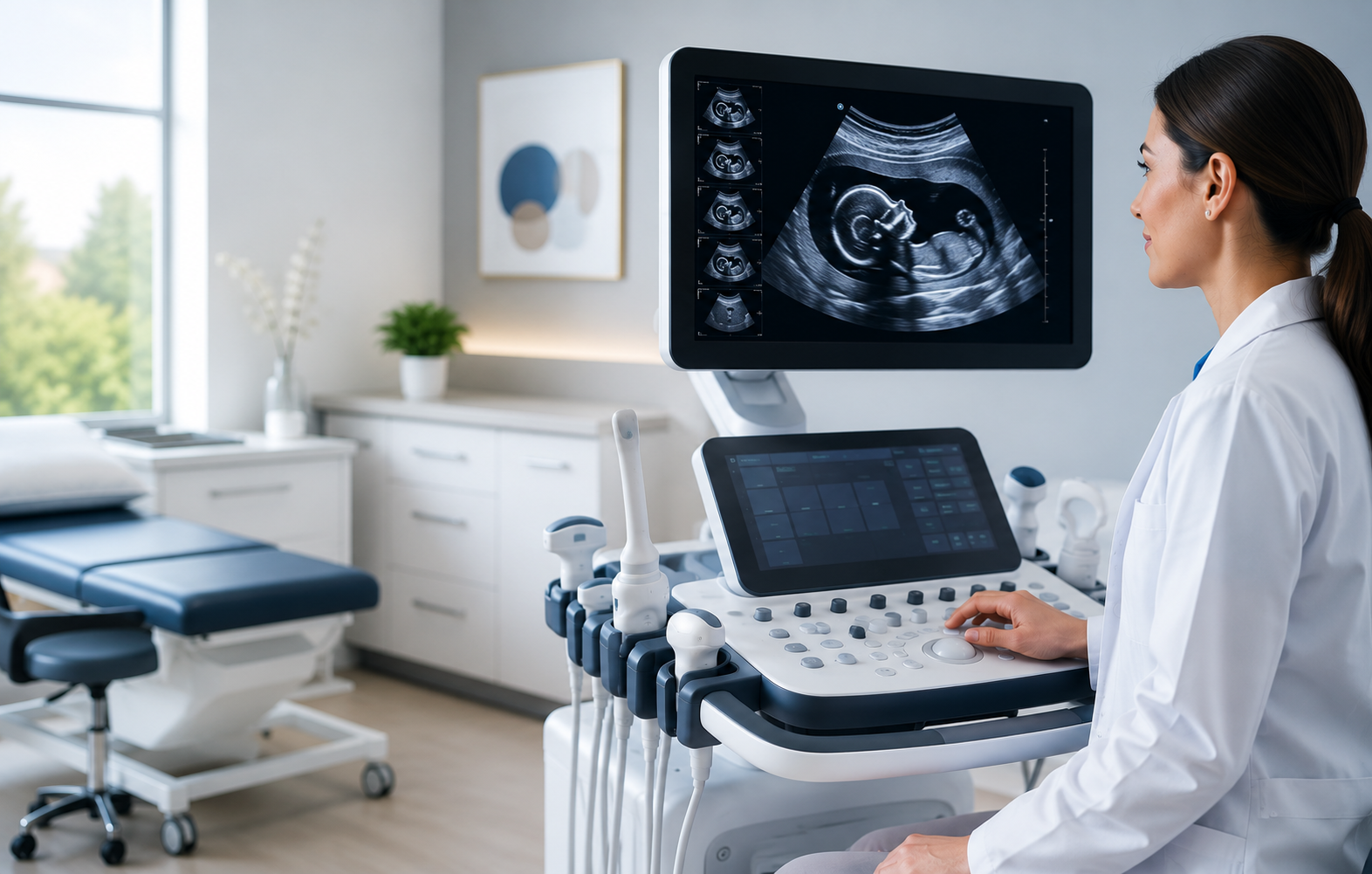
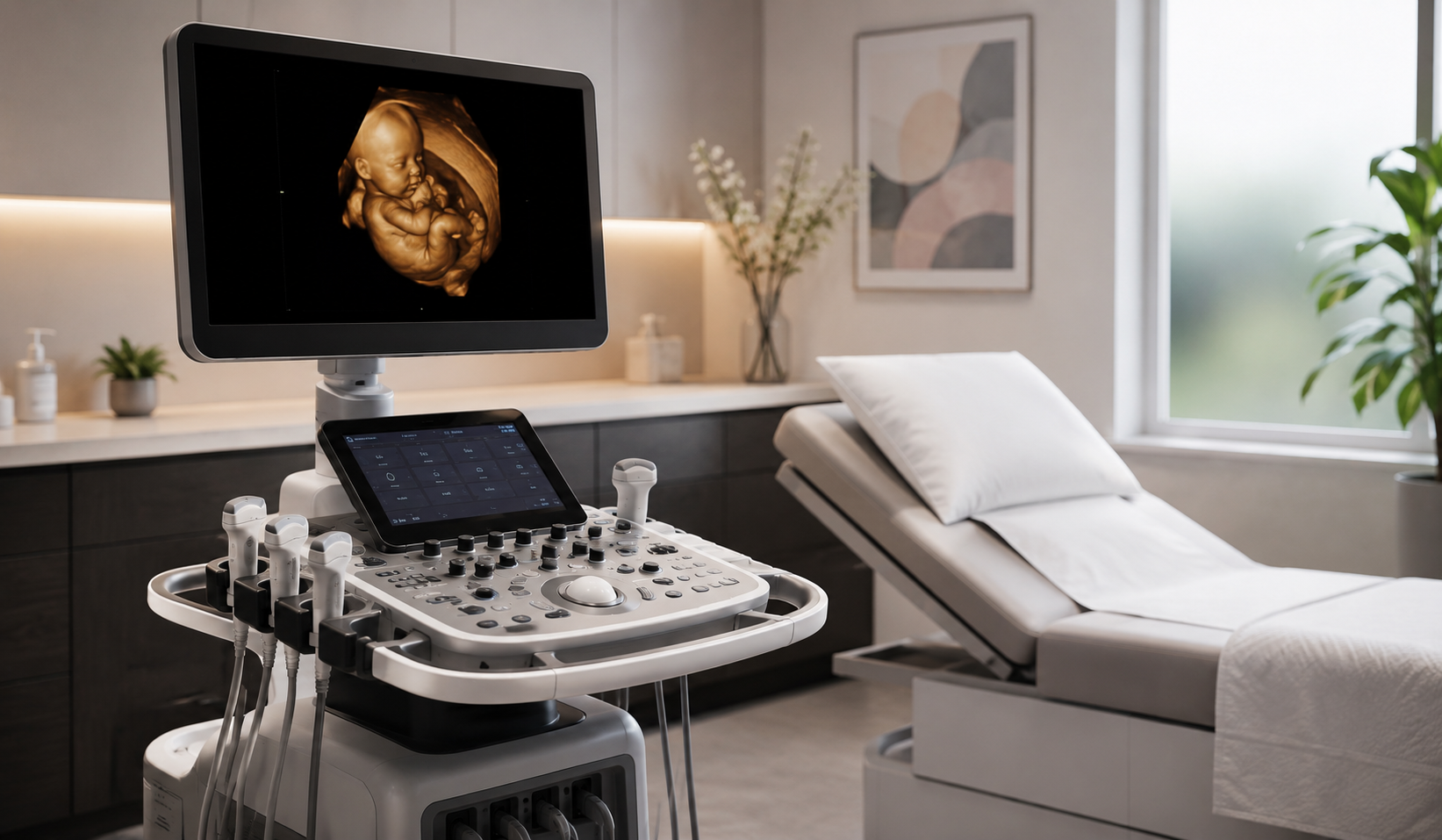
Many of these practices operate their own in-office ultrasound suites equipped with advanced imaging systems capable of performing obstetric and gynecologic diagnostic studies. By integrating ultrasound directly into the clinical workflow, providers can offer real-time evaluation during patient visits, enhancing both diagnostic accuracy and patient experience.
Independent practices throughout Southeast Michigan have also embraced emerging technologies such as 3D and 4D ultrasound imaging, which provide enhanced visualization of fetal anatomy and improved assessment of certain gynecologic conditions.
This combination of clinical autonomy, personalized care models, and modern imaging technology allows independent practices to remain an integral part of the region’s women’s healthcare ecosystem.
Expanding Access to Breast Imaging and Early Detection
Breast health services represent another critical component of women’s healthcare delivery across the Detroit metro region.
Hospital systems and specialty imaging centers throughout Southeast Michigan have made significant investments in advanced breast imaging technologies, including digital mammography, breast ultrasound, and MRI-based screening programs.
Early detection remains the cornerstone of effective breast cancer management, and imaging plays a central role in identifying abnormalities at their earliest stages. Many regional health systems have developed dedicated breast centers that integrate imaging, biopsy capabilities, and surgical consultation within a coordinated care environment.
These centers often rely on high-resolution ultrasound imaging to further evaluate abnormalities detected during screening mammography, as well as to guide minimally invasive biopsy procedures.
By combining advanced imaging technology with multidisciplinary care teams—including radiologists, oncologists, and breast surgeons—Detroit’s healthcare providers are continuing to improve diagnostic accuracy and streamline treatment pathways for patients.
The Growing Role of Advanced Ultrasound Technologies
Across obstetrics, gynecology, and breast imaging, ultrasound remains one of the most versatile and widely utilized diagnostic tools in women’s healthcare.
Recent advancements in ultrasound technology are helping providers throughout the Detroit metro region deliver more detailed imaging, faster workflows, and improved diagnostic confidence.
Modern ultrasound systems now offer higher-resolution imaging, enhanced Doppler capabilities, and AI-assisted measurement tools that support more efficient exams. These technologies enable clinicians to perform complex fetal assessments, evaluate pelvic conditions, and guide interventional procedures with greater precision.
For maternal-fetal medicine specialists, these imaging improvements are particularly valuable when monitoring high-risk pregnancies or assessing fetal growth patterns.
In gynecology, ultrasound continues to play a vital role in diagnosing conditions such as fibroids, ovarian cysts, and endometrial abnormalities. The availability of advanced imaging tools allows providers to detect and evaluate these conditions earlier, supporting more informed treatment planning.
As healthcare systems and private practices continue to modernize their imaging infrastructure, ultrasound technology will remain central to the evolution of women’s healthcare delivery.
Collaboration Across the Care Continuum
One of the defining characteristics of the Detroit metro women’s healthcare community is the strong collaboration between hospitals, specialty practices, and diagnostic imaging providers.
This collaborative environment supports integrated care pathways that connect obstetricians, maternal-fetal medicine specialists, reproductive endocrinologists, radiologists, and surgeons.
Advanced imaging plays a critical role in this coordination. High-quality ultrasound and diagnostic imaging systems allow clinicians to share precise diagnostic information across care teams, enabling faster decision-making and more seamless patient experiences.
As healthcare delivery continues to evolve toward more integrated models, imaging platforms that support interoperability, data sharing, and workflow efficiency will become increasingly important.
Supporting the Future of Women’s Imaging
As Southeast Michigan’s healthcare providers continue to expand women’s services and modernize their imaging capabilities, strategic partnerships with experienced imaging technology specialists are becoming increasingly valuable.
Healthcare systems and specialty practices must balance clinical performance, workflow efficiency, and long-term operational sustainability when evaluating imaging infrastructure.
Organizations like Preferred Medical work closely with hospitals, imaging directors, and physician groups to support these strategic decisions. By providing consultative guidance on advanced ultrasound platforms and imaging workflows, Preferred Medical helps healthcare providers identify solutions that align with their clinical goals and operational needs.
A Region Committed to Advancing Women’s Health
From world-class academic medical centers to innovative independent practices, the Detroit metropolitan area is home to a diverse and highly capable network of women’s healthcare providers.
Through continued investment in advanced imaging technologies, collaborative care models, and patient-centered access, these organizations are helping shape the future of women’s healthcare across Southeast Michigan.
As diagnostic imaging continues to evolve—particularly in the field of ultrasound—providers throughout the region will remain at the forefront of innovation, delivering earlier detection, more precise diagnostics, and improved outcomes for women and families.
For healthcare organizations exploring new imaging technologies or evaluating opportunities to modernize their ultrasound infrastructure, Preferred Medical serves as a trusted resource for strategic insight and imaging expertise.
Together, technology partners and healthcare providers can continue advancing the standard of women’s health imaging—ensuring that patients throughout the Detroit metro region receive the highest level of diagnostic care for years to come.

Should You Buy, Finance, or Lease an OB/GYN Ultrasound Machine in 2026? A Practice Acquisition Guide

How Many Scans Does It Take to Pay for an OB/GYN Ultrasound Machine? A 2026 ROI and Break-Even Guide