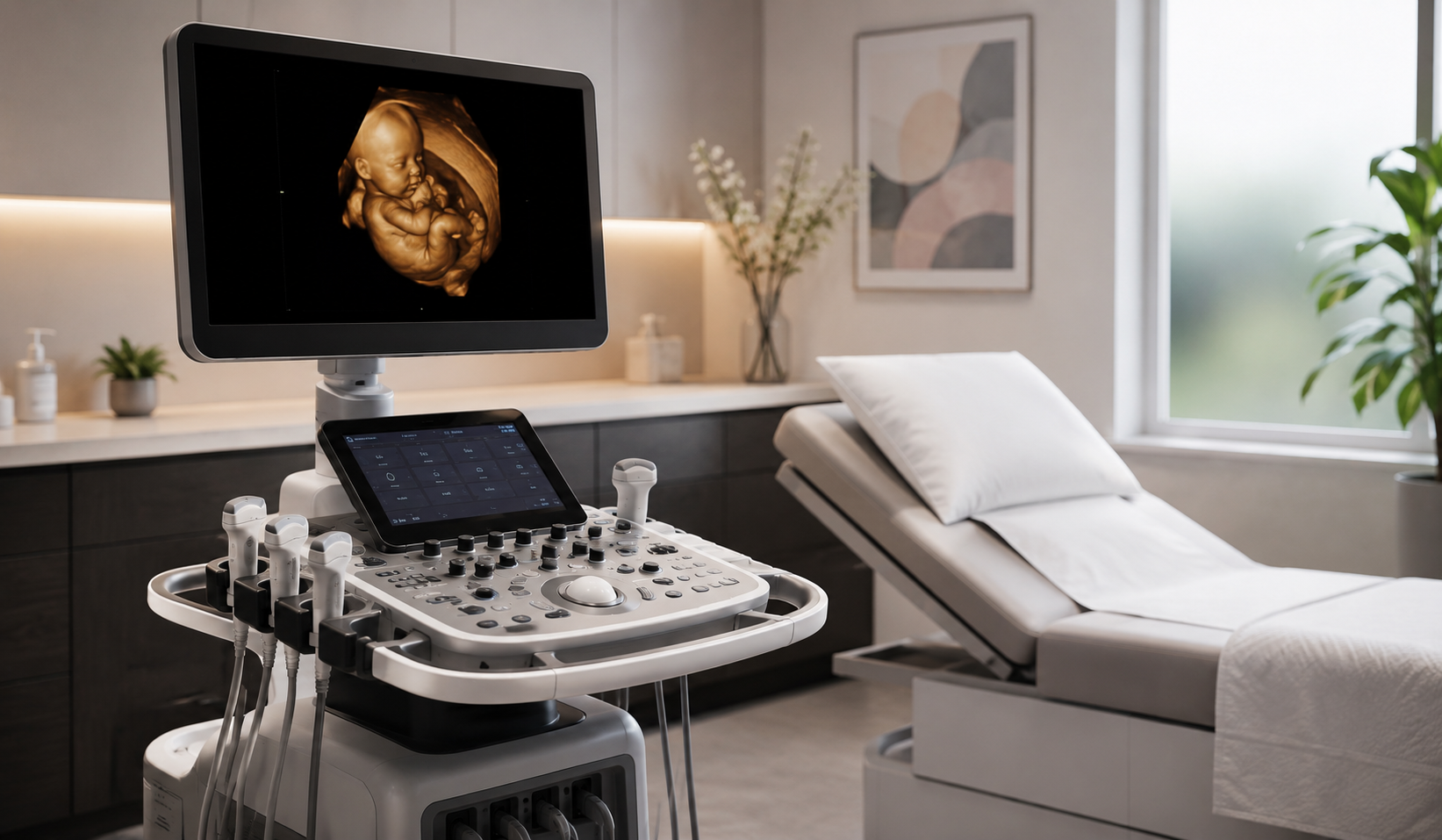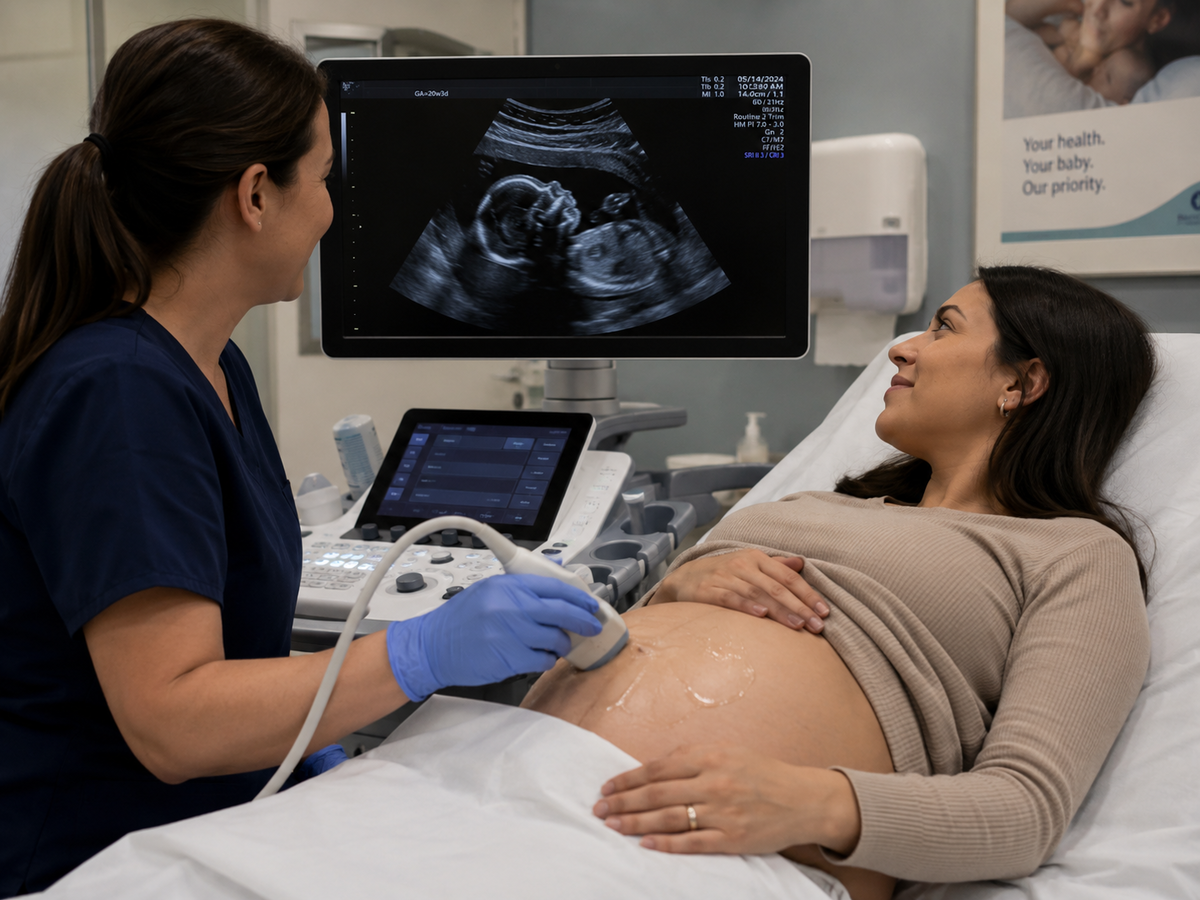

Advancing Women’s Health in the Cincinnati Metro: Leading Providers, Integrated Imaging, and a Regional Commitment to Excellence
The Cincinnati, Ohio metro area—encompassing Southwest Ohio, Northern Kentucky, and Southeast Indiana—has long served as a healthcare anchor for the Tri-State region. With a strong concentration of academic medicine, regional health systems, and specialty women’s care practices, Cincinnati continues to advance comprehensive services across obstetrics, gynecology, maternal-fetal medicine, fertility, and breast health.
As women’s healthcare becomes increasingly data-driven and imaging-centered, the region’s leading providers are investing in advanced diagnostics, integrated care models, and collaborative clinical infrastructure designed to improve outcomes while enhancing patient access and operational performance. For imaging leaders and hospital executives, Cincinnati offers a compelling case study in how regional systems can align innovation with patient-centered strategy.
UC Health: Academic Medicine Driving Specialized Women’s Care
As the clinical arm of the University of Cincinnati, UC Health plays a central role in advancing women’s health services across the metro area. Anchored by UC Medical Center and closely aligned with the University of Cincinnati College of Medicine, the system integrates academic research with complex clinical care.
UC Health’s women’s services include high-risk obstetrics, gynecologic oncology, reproductive endocrinology, and maternal-fetal medicine. Advanced imaging is embedded throughout these service lines, including:
- High-resolution obstetric and gynecologic ultrasound
- Fetal echocardiography
- Breast MRI and 3D mammography
- Image-guided biopsy services
Academic medicine’s influence is particularly evident in the adoption of evolving imaging protocols, multidisciplinary tumor boards, and translational research initiatives. For healthcare administrators, UC Health’s model demonstrates how academic collaboration can accelerate imaging innovation while supporting complex patient populations across the region.
TriHealth: Expanding Access Through Community Integration
TriHealth, one of the largest health systems in the Cincinnati area, operates multiple hospitals and ambulatory facilities, including Bethesda North Hospital and Good Samaritan Hospital. The system has developed a strong reputation for comprehensive women’s services delivered through both hospital-based and community outpatient settings.
TriHealth’s women’s care strategy emphasizes coordinated access, particularly in:
- Prenatal and postpartum services
- Breast health and screening programs
- Minimally invasive gynecologic surgery
- Advanced diagnostic imaging
The system’s investment in digital mammography and 3D tomosynthesis across multiple access points reflects a broader industry trend: decentralizing screening services to improve convenience while maintaining image quality and diagnostic accuracy.
For imaging directors, TriHealth illustrates the operational value of standardized imaging protocols across sites, ensuring continuity of care, streamlined workflows, and scalable growth in outpatient women’s imaging services.
The Christ Hospital Health Network: Focused Excellence in Women’s Services
The Christ Hospital Health Network has developed a robust women’s health platform centered on personalized care delivery and integrated specialty services. With a flagship campus in Mount Auburn and a growing network of outpatient facilities, the organization supports a wide spectrum of women’s healthcare needs.
Key areas of focus include:
- Comprehensive breast centers with digital mammography and breast MRI
- Advanced gynecologic surgery programs
- Maternal-fetal medicine services
- Fertility diagnostics and reproductive endocrinology
The Christ Hospital’s approach highlights the importance of aligning imaging capabilities with specialty service lines. Breast imaging, for example, is not siloed—it is closely integrated with surgical oncology, genetics counseling, and risk assessment programs.
This level of coordination requires sophisticated imaging infrastructure, including high-resolution ultrasound systems, AI-enhanced mammography workflows, and interoperable PACS environments that facilitate multidisciplinary collaboration.
Mercy Health: Regional Reach with Systemwide Imaging Strategy
Mercy Health operates multiple facilities throughout Southwest Ohio, including Mercy Health – Anderson Hospital and Mercy Health – Fairfield Hospital. As part of a broader regional network, Mercy Health brings scale to women’s health services.
The system’s women’s programs encompass:
- Routine and high-risk obstetrics
- Breast imaging and diagnostics
- Gynecologic oncology partnerships
- Community-based preventive care initiatives
From an operational perspective, Mercy Health’s regional footprint reinforces the importance of imaging standardization. Systemwide investments in digital mammography, upgraded ultrasound platforms, and advanced reporting tools allow clinicians to maintain diagnostic consistency across facilities.
For healthcare leaders, this model underscores how centralized imaging strategy can support both clinical quality and financial sustainability—particularly as screening volumes continue to rise and patient expectations for convenience increase.
St. Elizabeth Healthcare: Northern Kentucky’s Women’s Health Anchor
Serving Northern Kentucky and extending into the Cincinnati metro, St. Elizabeth Healthcare is a critical component of the region’s women’s health landscape. The system’s women’s services include obstetrics, breast care, pelvic health, and maternal-fetal medicine.
St. Elizabeth has invested in comprehensive breast centers equipped with:
- 3D mammography (digital breast tomosynthesis)
- Breast ultrasound
- Breast MRI
- Image-guided biopsy technologies
The emphasis on early detection and coordinated follow-up care reflects a broader shift toward risk-based screening models. Imaging departments play a central role in this evolution, requiring not only advanced equipment but also optimized scheduling systems, patient navigation tools, and integrated reporting platforms.
For imaging administrators, St. Elizabeth’s structure demonstrates how regional systems can leverage focused capital investment to support high-demand service lines while strengthening referral relationships across state lines.
Independent Women’s Health Practices and Specialty Groups
In addition to major health systems, Cincinnati benefits from a strong network of independent OB/GYN practices, maternal-fetal medicine specialists, and fertility centers. These groups contribute significantly to the region’s women’s healthcare capacity.
Specialty practices often collaborate closely with hospital imaging departments or maintain dedicated in-office ultrasound capabilities for:
- First-trimester and anatomy scans
- Gynecologic diagnostic imaging
- Fertility monitoring
- Minimally invasive procedural guidance
This distributed model of care requires seamless interoperability between private practices and hospital-based imaging systems. Secure image sharing, structured reporting, and rapid turnaround times are increasingly critical to maintaining continuity of care.
As outpatient volumes continue to grow, partnerships between specialty groups and consultative imaging vendors are becoming more strategic. Equipment lifecycle planning, workflow optimization, and technology integration are no longer optional—they are foundational to maintaining competitive, patient-centered service lines.
The Expanding Role of Advanced Imaging in Women’s Health
Across Cincinnati’s leading providers, one consistent theme emerges: imaging is central to nearly every stage of women’s healthcare.
From routine prenatal monitoring to complex gynecologic oncology staging and breast cancer detection, imaging modalities—including high-frequency ultrasound, digital mammography, breast MRI, and AI-supported analytics—serve as essential clinical decision tools.
Emerging priorities in the region include:
- Expanding 3D mammography access to improve early detection rates
- Integrating AI-based triage tools into breast imaging workflows
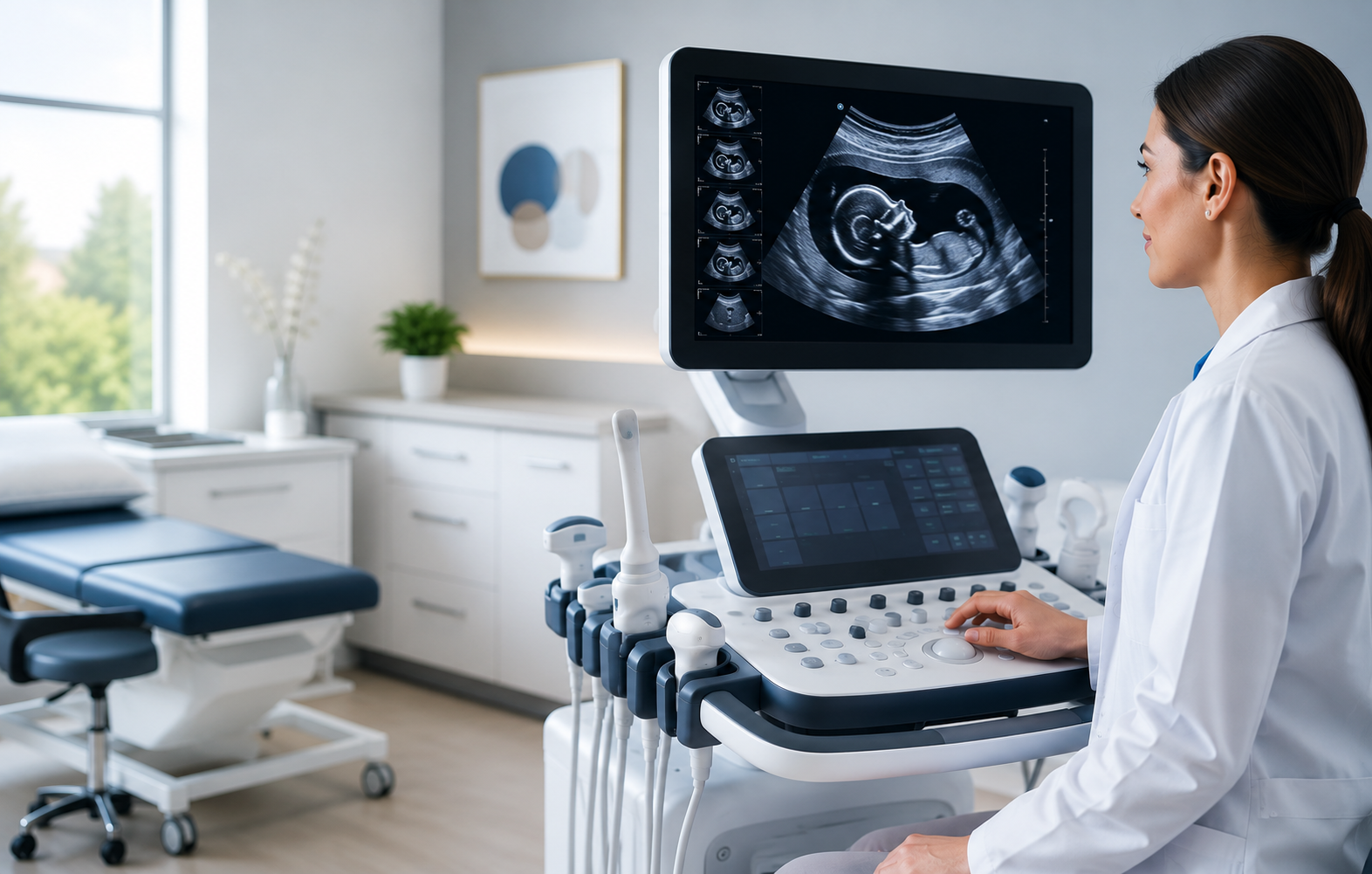
- Enhancing ultrasound image quality in maternal-fetal medicine
- Strengthening cybersecurity and interoperability across imaging platforms
Healthcare executives are also evaluating how imaging investments influence patient satisfaction, throughput efficiency, and long-term financial performance. In many cases, women’s imaging services act as gateway programs—driving patient engagement and fostering long-term system loyalty.
Strategic Implications for Health System Leaders
Cincinnati’s women’s health landscape reflects a broader national shift toward integrated, multidisciplinary care supported by advanced diagnostic infrastructure. Leading systems are not only expanding service lines but also refining how imaging technology aligns with operational goals.
For administrators and imaging directors, key considerations include:
- Aligning capital investment with service line growth projections
- Standardizing imaging protocols across multiple campuses
- Enhancing patient access through outpatient expansion
- Leveraging data analytics to measure screening compliance and follow-up rates
- Ensuring long-term equipment reliability and upgrade pathways
As reimbursement models evolve and patient expectations increase, imaging performance becomes inseparable from overall women’s health strategy.
Preferred Medical’s Role in Supporting Regional Excellence
In dynamic healthcare markets like Cincinnati, imaging excellence requires more than equipment procurement—it demands consultative planning, workflow insight, and long-term partnership.
Preferred Medical works alongside hospital systems, specialty practices, and imaging leaders to evaluate technology needs, optimize ultrasound and mammography platforms, and align capital planning with strategic growth objectives. From advanced women’s imaging integration to lifecycle equipment strategy, our focus remains on supporting operational efficiency, clinical precision, and sustainable performance.
Cincinnati’s leading women’s health providers continue to demonstrate how collaboration between academic medicine, regional health systems, and specialty groups can elevate care delivery. As imaging technology advances, the opportunity to further enhance access, detection, and patient-centered outcomes will only expand.
To explore how Preferred Medical can support your women’s imaging initiatives in the Cincinnati metro area or beyond, connect with our team through our official contact channels. Together, we can help build the next chapter of women’s health excellence—grounded in innovation, operational strength, and a shared commitment to advancing care.

Should You Buy, Finance, or Lease an OB/GYN Ultrasound Machine in 2026? A Practice Acquisition Guide

How Many Scans Does It Take to Pay for an OB/GYN Ultrasound Machine? A 2026 ROI and Break-Even Guide