
Western New York Women’s Imaging Leaders: How Buffalo Providers Are Advancing the Future of Ultrasound Excellence
Women’s healthcare providers throughout the Buffalo, New York metropolitan area continue to expand access to advanced diagnostic imaging, maternal-fetal medicine services, breast health programs, and integrated women’s care models designed to improve outcomes across every stage of life. From academic medical centers and regional hospital systems to specialized OB/GYN and breast imaging practices, healthcare organizations across Western New York are investing in high-resolution ultrasound technology, multidisciplinary collaboration, and patient-centered imaging environments that support earlier detection, enhanced prenatal care, and more coordinated treatment pathways.
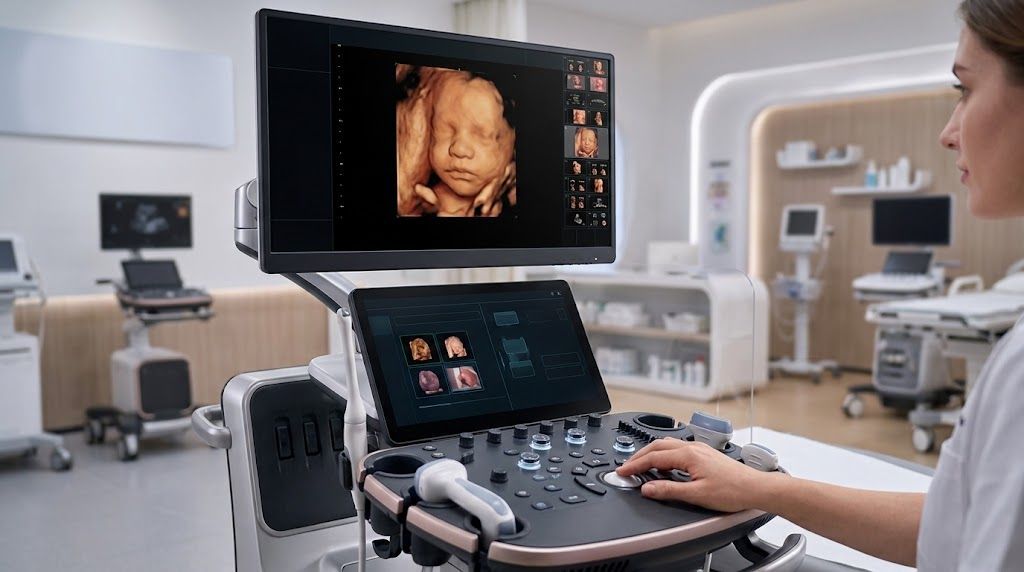
As healthcare systems nationwide place greater emphasis on preventive care, maternal health access, and operational efficiency, ultrasound remains one of the most essential imaging modalities in women’s health. Modern ultrasound systems support a broad spectrum of clinical applications, including obstetric imaging, gynecologic evaluation, breast imaging, reproductive medicine, vascular studies, and minimally invasive procedural guidance. The increasing adoption of 3D and 4D ultrasound capabilities, AI-enhanced imaging workflows, and integrated reporting systems is helping providers deliver faster diagnostics while improving the patient experience.
Across Buffalo and the surrounding Western New York region, several organizations are helping shape the future of women’s imaging excellence through strategic investments in technology, physician expertise, and coordinated care delivery.
Kaleida Health Expands Women’s Imaging Access Across Western New York
As the largest healthcare provider organization in Western New York, Kaleida Health plays a central role in delivering comprehensive women’s healthcare services throughout the Buffalo metro area. Through facilities including Buffalo General Medical Center, Millard Fillmore Suburban Hospital, and John R. Oishei Children’s Hospital, the system supports a wide range of women’s imaging and maternal health services designed to meet the needs of a diverse regional population.
John R. Oishei Children’s Hospital in particular has become a significant regional center for maternal-fetal medicine and high-risk obstetric care. Advanced ultrasound imaging supports prenatal diagnostics, fetal growth monitoring, anatomy studies, and coordinated maternal care pathways involving obstetricians, neonatologists, pediatric specialists, and imaging professionals.
Kaleida Health’s broader women’s services strategy reflects a growing national trend toward integrated imaging environments where radiology, OB/GYN, maternal-fetal medicine, oncology, and surgical teams collaborate more efficiently. High-performance ultrasound systems support both inpatient and outpatient workflows, helping clinicians improve diagnostic consistency while managing increasing imaging volumes.
The organization’s continued focus on digital infrastructure modernization and coordinated care delivery highlights the critical role imaging technology plays in long-term women’s health strategy.
Catholic Health Strengthens Community-Based Women’s Care Networks
Catholic Health has established itself as another major provider of women’s healthcare services across the Buffalo metropolitan area, with extensive community access points supporting obstetrics, gynecology, breast imaging, and preventive women’s health programs.
Facilities such as Mercy Hospital of Buffalo and Sisters of Charity Hospital continue to expand imaging capabilities that support prenatal care, diagnostic ultrasound, and breast health services throughout the region. Community-based imaging access has become increasingly important as healthcare organizations seek to reduce barriers to care while improving continuity between primary care physicians, specialists, and imaging departments.
Ultrasound technology remains foundational to these efforts. Advanced systems now allow providers to achieve higher image resolution, improved workflow automation, and greater diagnostic confidence across a variety of women’s health applications. In breast imaging, ultrasound serves as a critical supplemental tool alongside mammography and MRI, particularly for dense breast tissue evaluation and image-guided procedures.
Catholic Health’s regional approach demonstrates how distributed imaging networks can help improve patient access while supporting operational efficiency. The ability to standardize imaging protocols across multiple facilities also helps healthcare systems maintain consistency in quality and reporting.
UBMD Women’s Health Supports Academic and Clinical Excellence
UBMD Women’s Health continues to serve as a key academic and clinical resource for women’s healthcare in Western New York. Affiliated with the Jacobs School of Medicine and Biomedical Sciences, the organization combines physician training, research initiatives, and advanced patient care across obstetrics, gynecology, maternal-fetal medicine, and reproductive healthcare.
Academic medical organizations play a unique role in advancing ultrasound innovation because they often serve as early adopters of emerging imaging technologies and multidisciplinary care models. Providers within these systems frequently collaborate on clinical research, imaging optimization, and physician education initiatives that contribute to broader improvements in patient care.
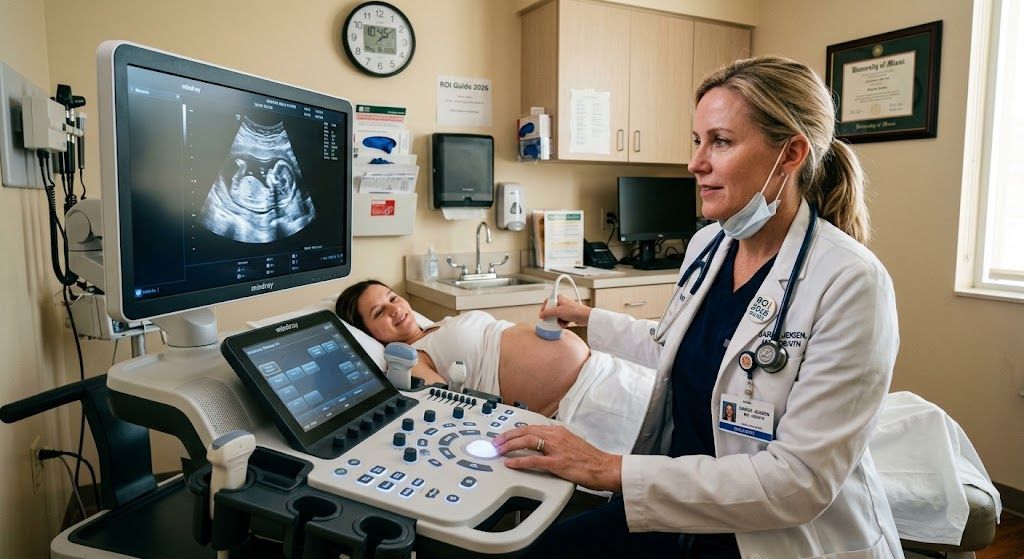
Maternal-fetal medicine specialists rely heavily on advanced ultrasound systems for detailed fetal assessment, placental evaluation, Doppler studies, and high-risk pregnancy monitoring. The growing sophistication of ultrasound imaging has significantly expanded clinicians’ ability to evaluate fetal development and maternal health conditions earlier and with greater precision.
UBMD Women’s Health also reflects the increasing integration between women’s imaging and population health strategy. Earlier detection, improved prenatal monitoring, and coordinated specialty care all contribute to better long-term outcomes for patients and healthcare systems alike.
Roswell Park Comprehensive Cancer Center Enhances Breast Imaging Innovation
Women’s imaging excellence in Buffalo also includes the significant contributions of Roswell Park Comprehensive Cancer Center, one of the nation’s leading oncology institutions. Breast imaging and diagnostic ultrasound remain essential components of cancer detection, staging, and treatment planning.
Ultrasound technology continues to evolve as an important adjunct imaging modality in breast health programs. High-resolution breast ultrasound can support lesion characterization, image-guided biopsy procedures, treatment monitoring, and supplemental screening strategies in specific patient populations.
Comprehensive cancer centers increasingly depend on integrated imaging ecosystems that allow radiologists, oncologists, surgeons, and pathologists to collaborate more effectively through centralized imaging platforms and digital reporting systems. These integrated workflows help improve care coordination while reducing delays in diagnosis and treatment planning.
Roswell Park’s continued investment in advanced imaging infrastructure reflects a broader industry trend in which women’s imaging is becoming increasingly connected to precision medicine initiatives, AI-supported analytics, and multidisciplinary oncology programs.
Independent Women’s Health Practices Continue to Expand Specialized Ultrasound Services
In addition to major health systems, Buffalo’s women’s healthcare landscape includes a growing number of independent OB/GYN groups, fertility centers, and specialty women’s imaging providers that continue to invest in advanced ultrasound capabilities.
Independent practices often play an important role in improving access to community-based imaging services while delivering highly personalized patient experiences. Many specialty women’s health groups throughout Western New York have adopted advanced 3D and 4D ultrasound systems, expanded gynecologic imaging services, and integrated digital workflow tools that support faster reporting and improved scheduling efficiency.
Reproductive endocrinology and fertility practices also rely extensively on ultrasound technology for ovarian assessment, follicular monitoring, embryo transfer guidance, and early pregnancy evaluation. As fertility demand continues to increase nationally, imaging infrastructure has become increasingly important to operational performance and patient satisfaction within reproductive medicine.
Meanwhile, outpatient women’s imaging centers are helping healthcare systems manage growing patient volumes by expanding access to non-hospital-based diagnostic services. This outpatient shift aligns with broader healthcare trends focused on convenience, cost management, and decentralized care delivery.
The Expanding Role of Advanced Ultrasound Technology
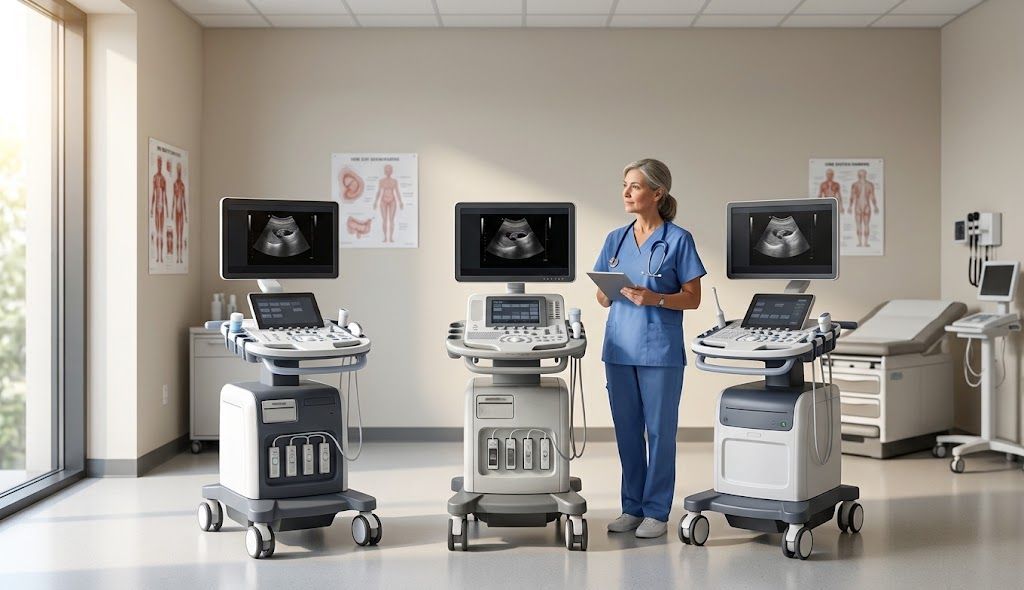
Ultrasound technology itself continues to evolve rapidly, creating new opportunities for women’s healthcare providers throughout Buffalo and beyond. Today’s systems deliver substantial improvements in image quality, ergonomic design, automation, connectivity, and workflow integration.
AI-assisted imaging tools are increasingly helping sonographers and physicians standardize measurements, improve exam consistency, and streamline documentation processes. These capabilities can support greater operational efficiency while helping providers manage workforce challenges affecting imaging departments nationwide.
Advanced transducer technology and enhanced visualization software also continue to improve clinicians’ ability to evaluate complex anatomy and detect subtle abnormalities earlier. In maternal-fetal medicine, higher-resolution imaging supports more detailed fetal anatomical assessments and improved prenatal monitoring.
Healthcare organizations are also placing greater emphasis on interoperability and integrated imaging ecosystems. Ultrasound systems that connect seamlessly with electronic medical records, PACS environments, and reporting platforms can significantly improve communication between departments while supporting enterprise-wide imaging strategies.
For healthcare administrators and imaging leaders, these advancements underscore the growing importance of long-term imaging infrastructure planning. Investments in scalable ultrasound technology, staff training, and workflow optimization are increasingly tied to both clinical outcomes and financial sustainability.
Buffalo’s Women’s Imaging Landscape Continues to Evolve
The Buffalo metropolitan area continues to demonstrate strong momentum in women’s healthcare innovation through the combined efforts of major health systems, academic medical institutions, specialty practices, and community-based providers. As demand for advanced women’s imaging services continues to grow, organizations throughout Western New York are positioning themselves to deliver more connected, efficient, and patient-centered care.
Ultrasound remains central to this transformation. From prenatal diagnostics and gynecologic imaging to breast health and fertility services, advanced ultrasound technology supports earlier intervention, improved coordination, and enhanced patient experiences across nearly every area of women’s healthcare.
For healthcare leaders, imaging directors, and clinical teams, the continued modernization of ultrasound infrastructure represents more than a technology upgrade. It reflects a broader commitment to improving access, strengthening multidisciplinary collaboration, and supporting the long-term health needs of women throughout the Buffalo region.
Preferred Medical continues to support healthcare providers nationwide with strategic imaging expertise, advanced ultrasound solutions, and consultative guidance designed to help organizations optimize women’s imaging operations in an increasingly dynamic healthcare environment.
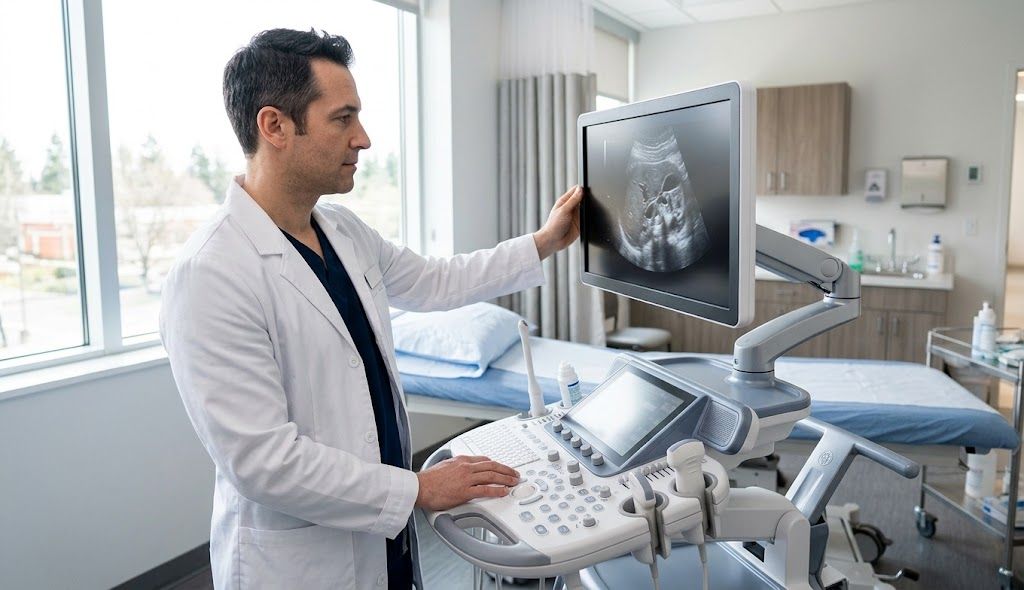


Should You Buy, Finance, or Lease an OB/GYN Ultrasound Machine in 2026? A Practice Acquisition Guide

How Many Scans Does It Take to Pay for an OB/GYN Ultrasound Machine? A 2026 ROI and Break-Even Guide